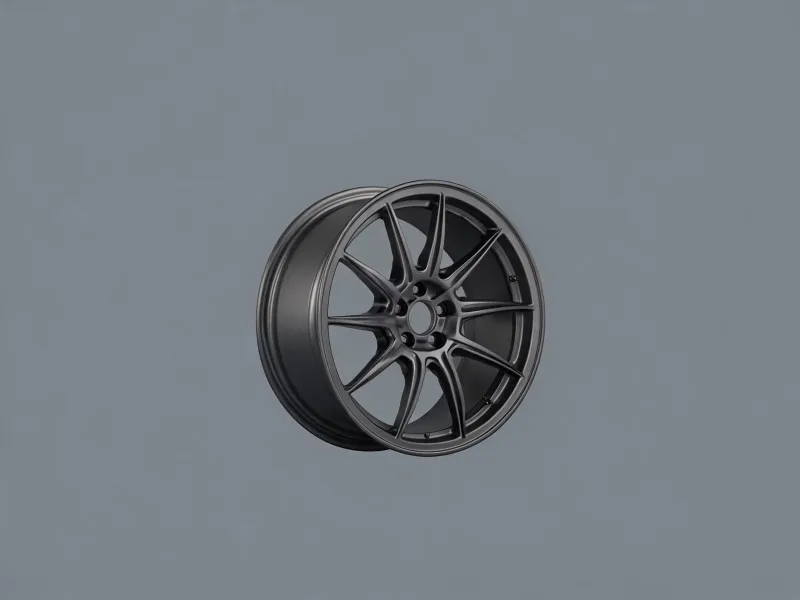
Forged wheels
Compare revised offsets and machining options against sample cost and repeat-order requirements.
Browse alloy wheels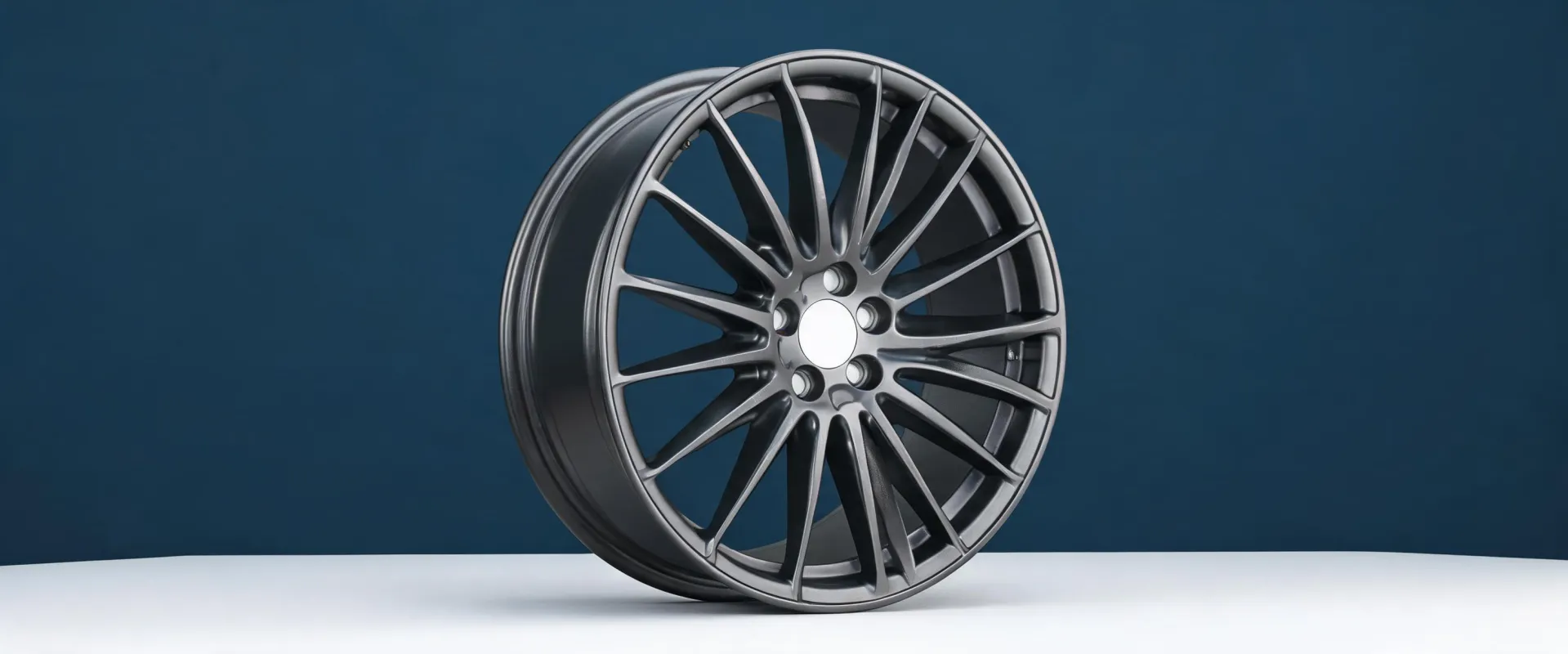
Send your wheel specification and order mix. Compare supplier quotes against the same dimensions, evidence requirements and delivery terms.
Choose a route by fitment, intended use and order mix. Finish and spoke profile follow once the mounting dimensions agree.
Compare revised offsets and machining options against sample cost and repeat-order requirements.
Browse alloy wheels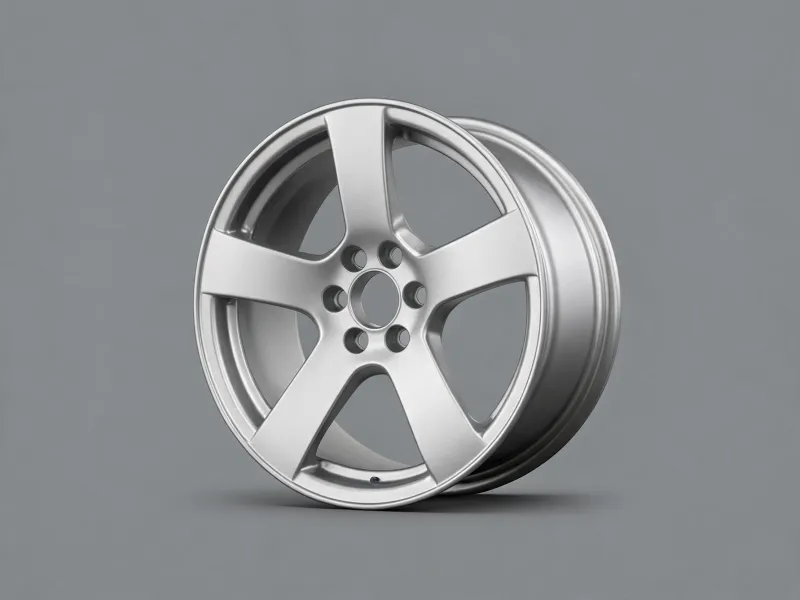
Compare existing mold sizes, finishes and carton quantities for repeat catalog orders.
Submit an assortment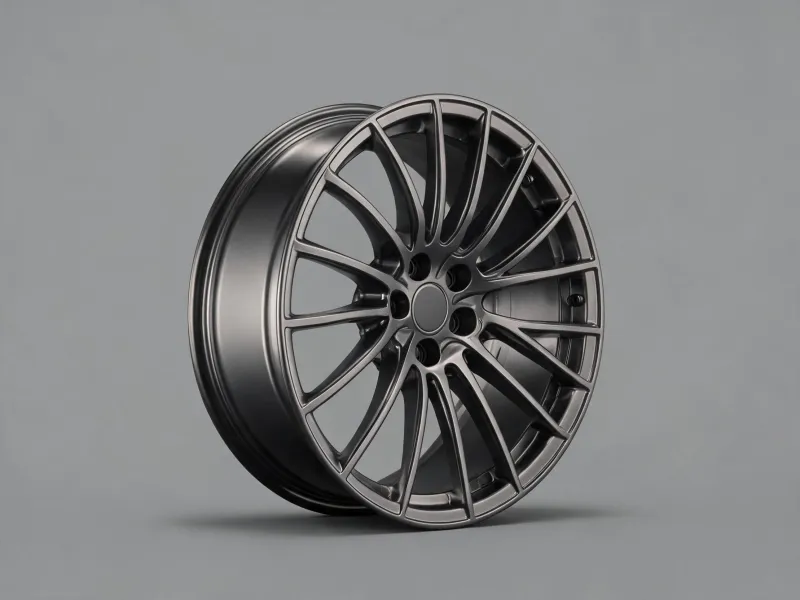
Ask which portion of the wheel is formed and which variant the supplier's report covers.
See the document checkUse the same target vehicle, load rating and finish across quotes. Request the drawing revision beside each line price.
| Buyer input | Forged program | Cast program |
|---|---|---|
| Fitment | Match rim diameter, rim width, PCD, offset (ET), center bore and brake clearance to the offered drawing. | Check which combinations are available from the existing mold and machining schedule. |
| Validation | Ask the supplier to tie load rating and the test report to the exact design and revision. | Check whether changes in size, offset or spoke geometry fall within the supplier's report scope. |
| Commercial scope | Separate engineering, sample machining and finish setup from repeat-order cost. | Compare stock quantities by finish with any mold or batch charge on custom variants. |
A notation such as 18 × 8.5, 5 × 114.3, ET35 and 73.1 mm describes example geometry. The buyer still needs to specify vehicle, load rating and fastener seat before screening compatibility.
Record vehicle, mounting geometry, quantities per variant and receiving market.
Align quantity breaks, carton counts and named Incoterm place.
Keep open drawing, sample and inspection items visible before buyer approval.
Match approved line items, carton labels and packing-list quantities before handover.
Scroll to see the inputs that matter for your order.
Quantity split and destination port.
Fitment map and SKU naming.
Axle configuration and duty profile.
Drawing revision and sample sign-off.
Supplier-provided. Record the quotation entity and manufacturing site named on the submission.
Buyer-approved. Retain the sample ID, finish reference and checked dimensions alongside the drawing.
Supplier-provided. Check issuer, revision, product identifier and market against the line item.
Third-party when commissioned. Agree the lot definition, sampling plan, measured features and acceptance criteria.
Buyer-approved. Link carton marks and protection materials to the approved order lines.
Supplier and forwarder records. Reconcile weights, carton counts and named handover location.
PCD only describes the bolt circle. Compare center bore, ET, brake clearance, fastener seat and load rating against the vehicle and wheel drawings.
List quantities by offset and finish. Each supplier confirms stock, carton quantities and whether minimums apply separately to each variant.
Specify radial or lateral runout, the measuring surface, mounting fixture and tolerance source. Record readings on the approved sample and carry the same setup into the inspection brief.
Use an ISO or IATF document to assess the named site's management system scope. Request separate evidence for the wheel model and destination requirements.
Start with one wheel size or a mixed order. Flag any open dimensions in your brief.